 Analysis by Gamescozy
I think of Roblox less as one adventure game and more as a place to keep discovering games made around a shared platform. That distinction matters: a traditional adventure usually promises one designed journey, while Roblox offers a shifting collection of experiences with different goals, controls, and moods. When I want something new without committing to a single long campaign, that variety is its biggest appeal. When I want a carefully paced story with consistent quality, it can be a less satisfying choice.
A huge playground, not one fixed adventure
Developed by Roblox Corporation, this free adventure game has grown into a broad destination for players who like trying many kinds of games. Its scale is remarkable: it has passed a billion installs, with an average rating of 4.2 from around 53 million ratings. Those figures suggest wide appeal, but they also reflect a platform whose individual experiences can feel very different from one another. I would not treat them as a guarantee that every game inside will suit me.
Why the variety works
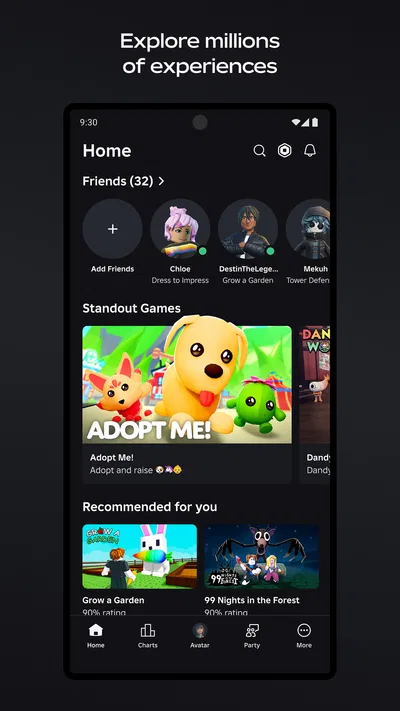
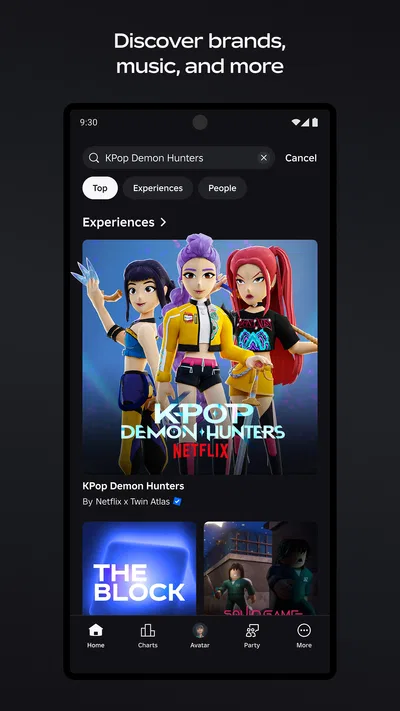
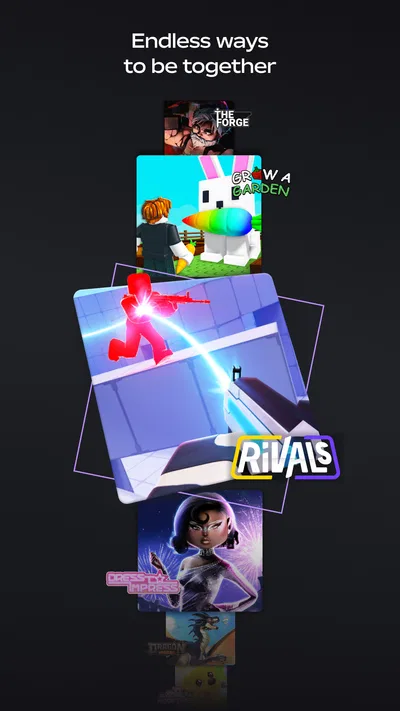
The central strength is the freedom to move between styles. I can browse for something social, exploratory, competitive, or more story-focused instead of being locked into a single adventure. That makes Roblox useful for short bursts: I might have a few minutes while waiting for someone, or a longer stretch when friends are available, and choose an experience that fits the time and mood.
The trade-off is that variety makes discovery part of the work. A large library can be exciting, but it also means the platform is not a curated sequence of equally polished games. One experience may immediately make sense; another may take time to understand or simply fail to hold my attention. I get the best results when I approach browsing with a little patience rather than assuming the first thing I open represents the whole platform.
A practical tip is to decide what I want before browsing: a quick session, a game to share with friends, or something I can explore at my own pace. That small choice narrows the search and makes the library feel less overwhelming. If I keep jumping between unrelated experiences, I can spend more time choosing than playing.
What a good session looks like
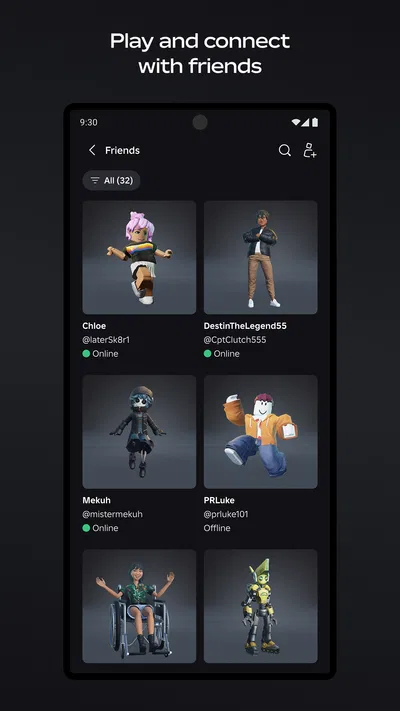
Roblox is especially easy to recommend for a casual social session. Imagine having an unplanned evening with friends: instead of agreeing on one full-price game or starting a lengthy campaign, you can look for an experience everyone is willing to try, play for a while, and change direction if it is not working. The platform’s broad range makes that flexibility its own kind of convenience.
It is also a reasonable fit for someone who enjoys sampling ideas rather than finishing a single, authored story. I like the sense of possibility, but I would set expectations accordingly. The experience I choose is the real game for that session; the Roblox name alone does not tell me whether its pacing, difficulty, or presentation will suit me.
Where the platform can frustrate
The biggest limitation is inconsistency. Because the library spans so many kinds of experiences, quality and clarity can vary. Some games may be easy to understand from the outset, while others can leave a new player unsure what to do next. This is not the same as opening a conventional adventure and following one clear structure from beginning to end. For players who value a polished, predictable progression above choice, that difference can become tiring.
There is also a real cost consideration despite the game being free to start. In-app purchases range from 50 cents to $199.99 per item, so I would keep spending in mind, especially if a younger player is using the app. I recommend treating optional purchases as something to consider deliberately, not as a necessary part of trying the platform. If I am looking for a completely purchase-free experience, I would be cautious and agree on spending expectations before playing.
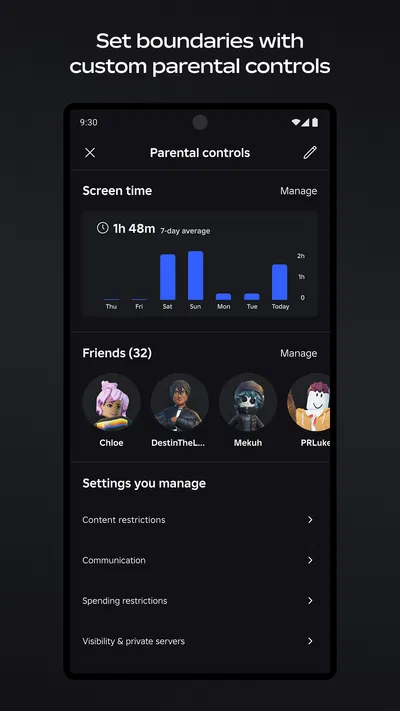
Roblox is rated Teen, which is useful context for families deciding whether it is appropriate. I would not rely on the broad platform label alone to choose what a particular player should access: the library contains varied experiences, so it makes sense for parents and players to make choices together. The same breadth that makes browsing appealing also means that a blanket assumption about every game inside would be unwise.
Making discovery less hit-or-miss
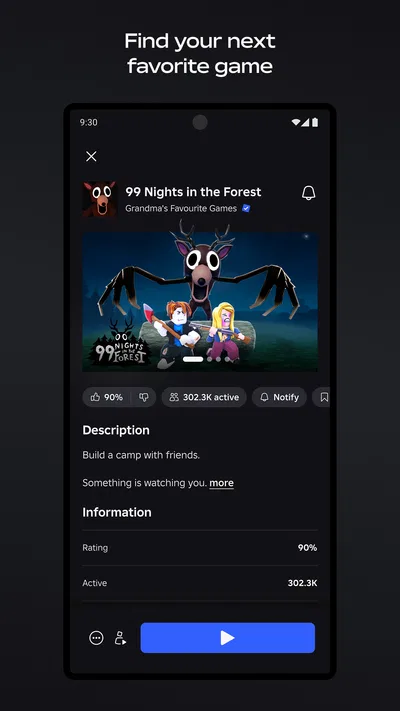
One useful habit is to give a new experience a short trial with a specific question in mind: do I understand the objective, do the controls feel comfortable, and is the pace right for me? If the answer is no, moving on is part of the platform’s appeal rather than a reason to force a long session. This approach is especially helpful on a phone, where an awkward opening can make an otherwise interesting game feel worse than it might on another device.
Another trade-off is that social play can make a weak first impression easier to overcome, but it should not be the only reason to stay. If friends are enjoying an experience, I may be happy to learn its rules together; alone, I might prefer something that explains itself more clearly. That is a useful distinction when choosing between Roblox and a conventional single-player adventure, which may offer a more controlled pace and a more coherent journey.
For newcomers, I would start with a familiar genre rather than trying to understand the whole platform at once. Someone who already knows they enjoy exploration or a particular style of challenge can use that preference as a filter. If the first pick misses, changing experiences is often more sensible than concluding that the entire platform is a poor fit.
Who I would recommend it to
I would recommend Roblox to players who enjoy variety, social discovery, and trying an assortment of experiences without expecting every one to feel like a finished standalone adventure. It can suit friends who want a flexible shared activity, younger players whose families are comfortable with the Teen rating, and curious players who like searching for an unexpected favorite.
I would suggest looking elsewhere if the priority is a single, tightly directed story, consistent production values, or a predictable beginning-to-end campaign. A conventional adventure game is usually the better choice for that. Roblox is also not ideal for someone who dislikes browsing, gets frustrated when instructions vary, or wants to avoid the possibility of in-app spending entirely.
Details that matter before installing
The game is free, but its optional purchases are a meaningful part of the decision. It was released on July 15, 2014, and its current version is 2.744.1081. On Android, it requires version 8.0 or later. Those details make it easier to check whether a device is suitable before downloading, while the Teen age rating helps families decide whether to explore it together.
With around 3.7 million reviews, Roblox has attracted an enormous audience, but I would still judge it by the experiences I actually find and enjoy. A large community can make discovery feel lively; it cannot remove the need to choose carefully. The best way to approach the platform is as a library to explore, not a promise that every entry will be a hit.
My verdict
Roblox succeeds because it makes changing direction easy. I value being able to look for a different kind of play when my mood changes, and I can see why that flexibility has brought it such a large audience. At the same time, the platform asks me to tolerate uneven experiences, spend time browsing, and be thoughtful about optional purchases.
My recommendation is clear: try Roblox if discovery and variety are part of the fun for you, especially if you have friends to explore with. Go in expecting a collection rather than one carefully unified adventure, and be willing to move on when a game does not click. If you want a dependable, polished story with a clear route through it, choose a dedicated adventure instead.